When Should a Horse Chestnut Tree Be Removed?
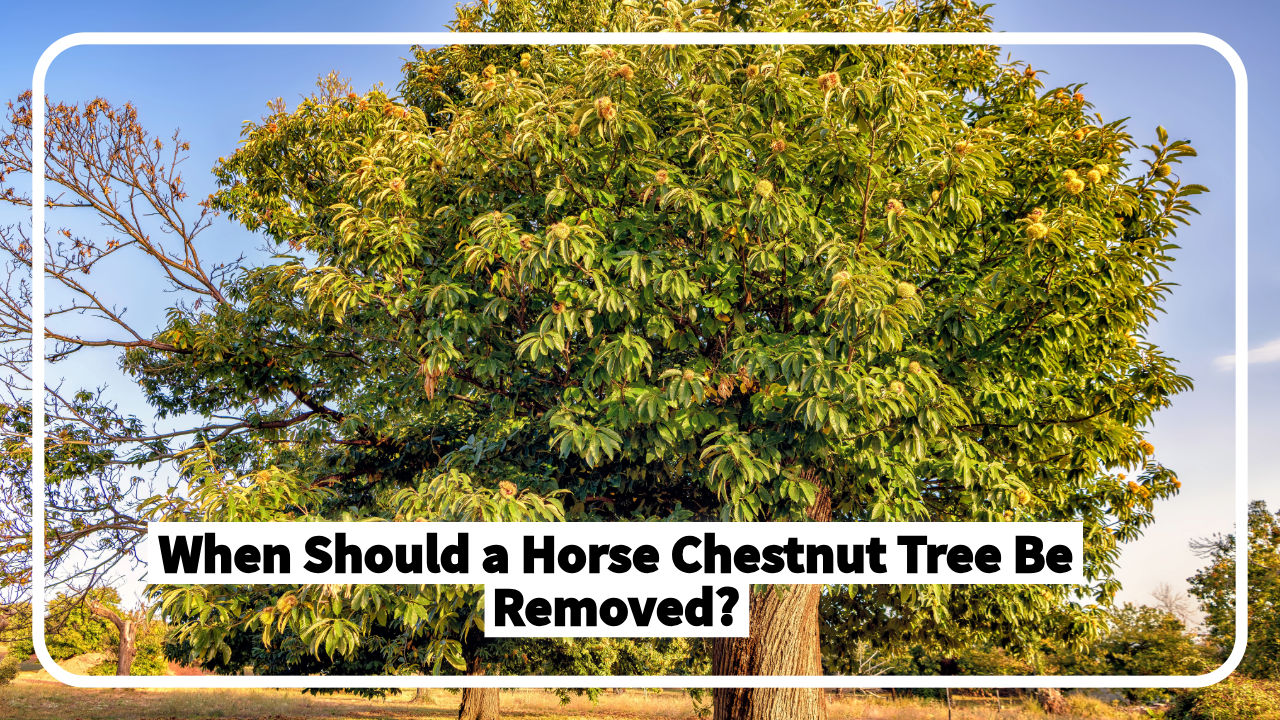
Horse Chestnut trees are among the most recognisable trees in the UK. Known for their impressive size, distinctive conker fruits, and beautiful spring flowers, they can become a stunning feature in parks, gardens, and large properties.
However, these trees can also grow to over 30 metres tall with broad canopies and extensive root systems. As they mature, there may come a time when removal becomes the safest and most practical option.
So, when should a Horse Chestnut tree be removed?
The answer depends on the tree’s health, location, and the level of risk it presents—not simply its age or size.
1. The Tree Is Dead or Dying
One of the clearest reasons for removal is when the tree has died or is in severe decline.
Warning signs include:
Large sections of the canopy failing to produce leaves
Extensive dead branches
Peeling or missing bark
Fungal growth around the trunk or base
Large areas of decay
A dead Horse Chestnut can become unstable over time, increasing the risk of falling branches or complete failure.
A professional inspection can confirm whether the tree is beyond recovery.
2. The Tree Has Become Structurally Unsafe
Even healthy-looking trees can develop structural weaknesses.
Look out for:
Large cracks in the trunk
Splits where major branches join the trunk
Cavities or hollow sections
Heavy limbs with visible defects
A sudden lean after storms
These issues don’t always mean the tree needs removing, but they should never be ignored.
An arborist can assess whether the tree can be managed through pruning or whether removal is the safer option.
3. Storm Damage Has Compromised the Tree
Horse Chestnut trees have large, heavy branches that can suffer significant damage during storms.
After severe weather, inspect the tree for:
Broken limbs
Hanging branches
Fresh trunk cracks
Split stems
Root movement or exposed roots
Some storm damage can be repaired with careful pruning, while severe structural damage may make removal necessary.
4. The Tree Is Affected by Serious Disease
Horse Chestnuts are vulnerable to several diseases and pests.
One of the most significant is Bleeding Canker, a disease that can weaken the tree over time.
Symptoms may include:
Dark, sticky fluid leaking from the trunk
Cracked bark
Dead branches
Progressive decline
Horse Chestnuts can also be affected by Horse Chestnut Leaf Miner, which causes leaves to brown earlier than usual.
Leaf Miner usually affects appearance more than safety, whereas Bleeding Canker can compromise the tree’s structural integrity.
Not every diseased tree needs removing, but advanced decline should be professionally assessed.
5. The Tree Is Too Close to Buildings
Horse Chestnuts become very large trees.
If one is growing close to:
Houses
Extensions
Garages
Conservatories
Boundary walls
it may eventually create practical or structural concerns.
Large branches can overhang roofs, while extensive root systems may require investigation if there are concerns about nearby structures.
Before considering removal, an arborist can assess whether pruning or ongoing management would solve the problem.
6. The Roots May Be Contributing to Property Issues
Tree roots are often blamed whenever cracks appear in a property.
While Horse Chestnut roots don’t usually break solid foundations directly, they can contribute to soil movement in certain situations, particularly on shrinkable clay soils.
If you notice:
New wall cracks
Doors or windows sticking
Uneven paving
Drainage problems
it’s important not to assume the tree is responsible.
Professional assessment should always be carried out before deciding to remove a mature tree.
7. The Tree Has Outgrown the Available Space
Horse Chestnuts are best suited to large open spaces.
In smaller gardens they may eventually:
Dominate the landscape
Block significant amounts of sunlight
Overhang neighbouring properties
Become difficult and expensive to maintain
If regular pruning can no longer manage the tree safely, removal may become the most practical long-term solution.
8. The Tree Presents an Ongoing Safety Risk
Any tree that poses a significant risk to people or property should be inspected promptly.
Examples include:
Large dead branches over public paths
Heavy limbs hanging above parking areas
Trees leaning towards buildings
Structural defects near frequently used areas
Managing risk is one of the primary reasons homeowners contact professional arborists.
Do All Large Horse Chestnut Trees Need Removing?
Absolutely not.
Many mature Horse Chestnuts remain healthy and safe for well over a century.
Large size alone is not a reason for removal.
In many cases, an arborist may recommend:
Deadwood removal
Crown reduction
Crown thinning
Ongoing monitoring
Disease management
These measures can often extend the life of the tree while reducing risk.
Do You Need Permission to Remove a Horse Chestnut Tree?
Possibly.
Before removing any mature Horse Chestnut, it’s important to check whether it is protected by:
A Tree Preservation Order (TPO)
Conservation area regulations
Removing a protected tree without permission can result in legal action and significant fines.
A qualified arborist can help determine whether permission is required and, if necessary, assist with the application process.
How Arbsolve Can Help
If you’re unsure whether your Horse Chestnut tree needs removing, Arbsolve can help you find verified arborists for professional advice.
There are two simple ways to get started.
Browse the Arborist Directory
Search for experienced arborists in your area, compare services, and contact them directly.
Post Your Tree Assessment Request
If you’d like arborists to review your situation, post your job on Arbsolve.
Include:
Photos of the tree
Approximate height
A description of your concerns
Your postcode
Arbsolve shares your request with arborists in your area.
Interested professionals can request the opportunity to provide a quote or inspection.
Your personal contact details and exact address remain private until you choose which arborist you’d like to work with.
Final Thought
Removing a Horse Chestnut tree is a significant decision that shouldn’t be based on size alone.
Many concerns can be addressed through professional pruning or ongoing management.
However, if the tree is dead, structurally unsafe, severely diseased, or presents an unacceptable risk to people or property, removal may be the safest option.
The best approach is always to seek advice from a qualified arborist who can assess the tree properly and recommend the most appropriate solution.
Need Tree Work Done?
Get matched with vetted local arborists — free, no obligation.