Emergency Tree Removal: What to Do After a Storm (UK Guide)
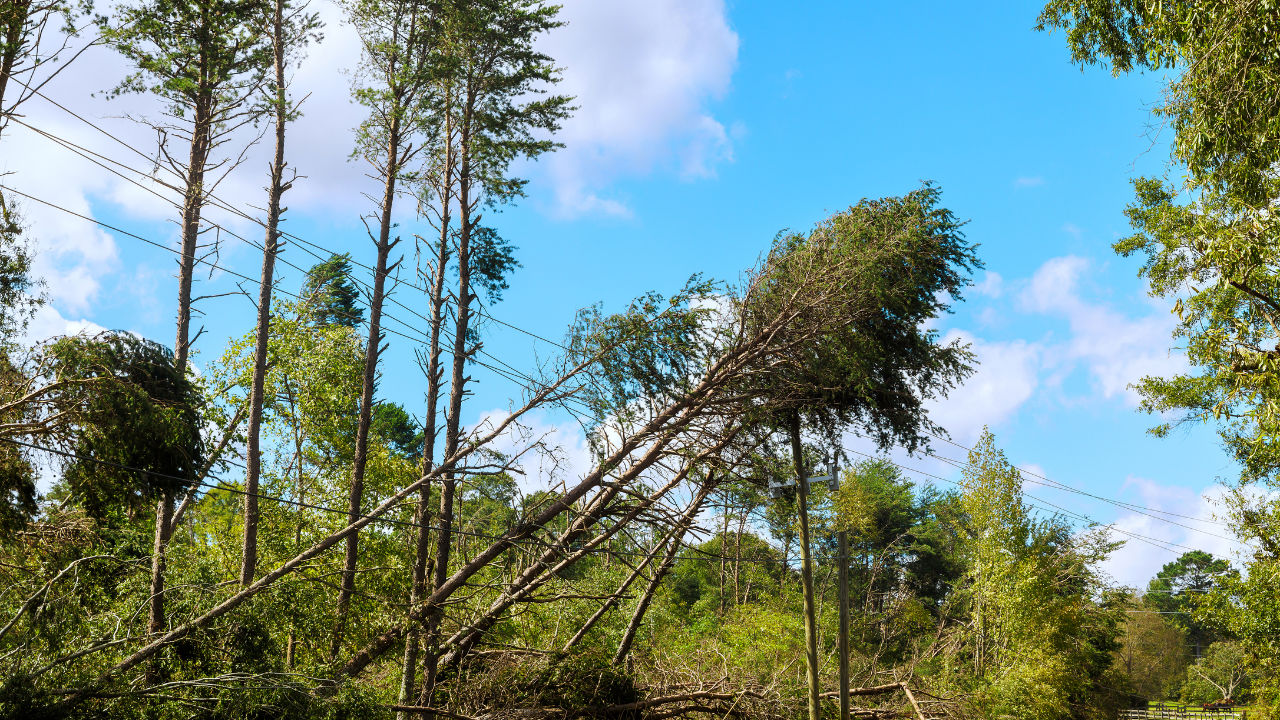
When a storm hits, trees are often the first casualties.
High winds, waterlogged soil, and brittle limbs can turn a healthy-looking tree into a serious hazard overnight. And in many cases, the damage isn’t obvious until something fails.
You might wake up to:
A tree leaning toward your house
Large branches hanging over your garden
A split trunk near a public footpath
A neighbour’s tree fallen across fences
Debris scattered across your lawn
At this point, it’s not about landscaping.
It’s about safety, liability, and acting quickly — but properly.
This guide explains exactly what to do after storm damage in the UK.
Step 1: Prioritise Safety — Not Speed
If a tree has fallen or partially failed:
Keep everyone away from the area
Do not attempt DIY cutting
Avoid standing under hanging limbs
Stay clear of downed power lines (call 105 immediately)
Storm-damaged trees are unpredictable. Branches can be under extreme tension and may release suddenly.
What looks manageable often isn’t.
Remember:
It’s not just turning up and firing up the chainsaw.
Emergency tree work requires skill, controlled dismantling, and proper equipment — especially where trees are awkwardly located near roofs, conservatories, or neighbouring fences.
Step 2: Document the Damage Immediately
Before any work begins:
Take clear photos from multiple angles
Photograph damage to fences, hedges, roofs, sheds
Note the date and time of the storm
Record visible signs of decay or prior weakness
This is critical if you later face:
Insurance claims
Disputes
Allegations of negligence
Many homeowners discover the hard way that insurers sometimes respond with:
“Act of God.”
But if there was known risk — such as visible decay, ash dieback, or brittle limbs — insurers may examine whether reasonable inspection was carried out beforehand.
Proper documentation protects you.
Step 3: Understand Liability — Yours or Your Neighbour’s?
Storm situations can become legally complicated.
For example:
“My neighbour’s very large tree fell causing extensive damage to my trees, hedges and fences. Approximately £20,000 in damage.”
In the UK:
If a tree falls purely due to an unforeseeable storm event, it is often considered an “Act of God.”
However, if the tree owner failed to inspect or mitigate obvious risk, negligence may apply.
This is why regular inspection matters.
And why after a storm, professional assessment is essential — especially if trees are now:
Leaning
Split
Uprooted
Blocking precious light after partial collapse
Hanging over boundaries
Failure to act promptly after visible damage can increase your exposure.
Step 4: Do Not “Hack It Back”
In emergencies, some people panic and:
Cut large limbs without assessment
Remove weight unevenly
Use ladders and domestic tools
Attempt crude reductions
This often makes the situation worse.
“Hacked it back” is not emergency tree surgery.
It can:
Destabilise the remaining structure
Increase future failure risk
Void insurance claims
Cause unnecessary butchering of a salvageable tree
Professional teams assess whether:
A substantial reduction is sufficient
Sectional dismantling is required
A cherry picker is necessary because branches have become brittle
Root plates are unstable and require full removal
The tree can be cut back to balance it and give it the best chance of re-growth
Emergency removal should be controlled, not reactive.
Step 5: Check for TPO or Conservation Area Status
Even after a storm, legal protections may still apply.
If the tree has a Tree Preservation Order (TPO) or is within a conservation area:
Emergency work is allowed only to make the tree safe
Evidence must support the urgency
The council may require retrospective documentation
Again:
You’re not just hiring a chainsaw.
You’re hiring risk management and compliance.
Those checks take time and expertise — especially when councils may review storm-related works later.
Step 6: Choose a Properly Qualified Tree Surgeon
After a storm, demand for tree work spikes.
This is when “chancers with a chainsaw” appear.
Ask yourself:
Are they a properly qualified reputable outfit or a couple of chancers with a chainsaw?
Professional emergency tree surgeons will:
Provide quick response to your initial request
Offer clear, timely communication
Conduct a proper survey
Supply a fully itemised quotation
Explain available options
Use appropriate rigging and dismantling techniques
Leave everything neat and tidy
Even in emergency situations, professionalism matters.
As homeowners often say:
“Fantastic service, great communication from start to finish.”
“Work on the day was of high standard.”
“They delivered, in spades, and cleaned up afterwards, pristinely.”
Your garden should not look like a disaster zone after the solution.
Step 7: Think Beyond Removal — Plan for Recovery
Emergency removal is only part of the picture.
Consider:
Root grinding if the stump creates hazard
Replacement hedge planting
Structural reshaping of neighbouring trees
Light restoration after canopy loss
Long-term maintenance planning
A good local tree surgeon you can call on in the future is valuable.
Storm damage often reveals:
Hidden decay
Weak structural unions
Poor historic pruning
Imbalanced canopies
Addressing these now reduces future risk.
Common Post-Storm Scenarios in UK Gardens
Hanging Over Roof or Driveway
Heavy limbs suspended after partial failure — immediate controlled dismantling required.
Awkwardly Located Tree
Tight access between properties requiring sectional removal.
Brittle Ash (Possible Dieback)
Storm exposed structural weakness — often requires cherry picker access.
Large Tree Blocking Precious Light After Collapse
Reduction or reshaping may restore sunlight without full felling.
Neighbour Pressure After Storm
“Can’t please everyone!” — but documented professional assessment protects you.
The Strategic View: Avoid Being the £20,000 Story
Storm damage becomes expensive when:
Trees were never inspected
Known risks were ignored
Poor pruning weakened structure
Emergency work was done badly
Inspection before storm season is smart.
Documented mitigation is smarter.
Emergency removal should be the last resort — not the first time anyone looked closely at the tree.
Final Thought: Calm, Documented, Professional Action
After a storm, emotions run high.
But the safest approach is structured:
Secure the area
Document everything
Arrange professional inspection
Confirm legal protections
Execute controlled removal or reduction
Keep written records
Done properly, or done twice.
Emergency tree removal isn’t about speed alone.
It’s about safety, legality, insurance protection — and restoring your garden without creating new problems.
Need Tree Work Done?
Get matched with vetted local arborists — free, no obligation.