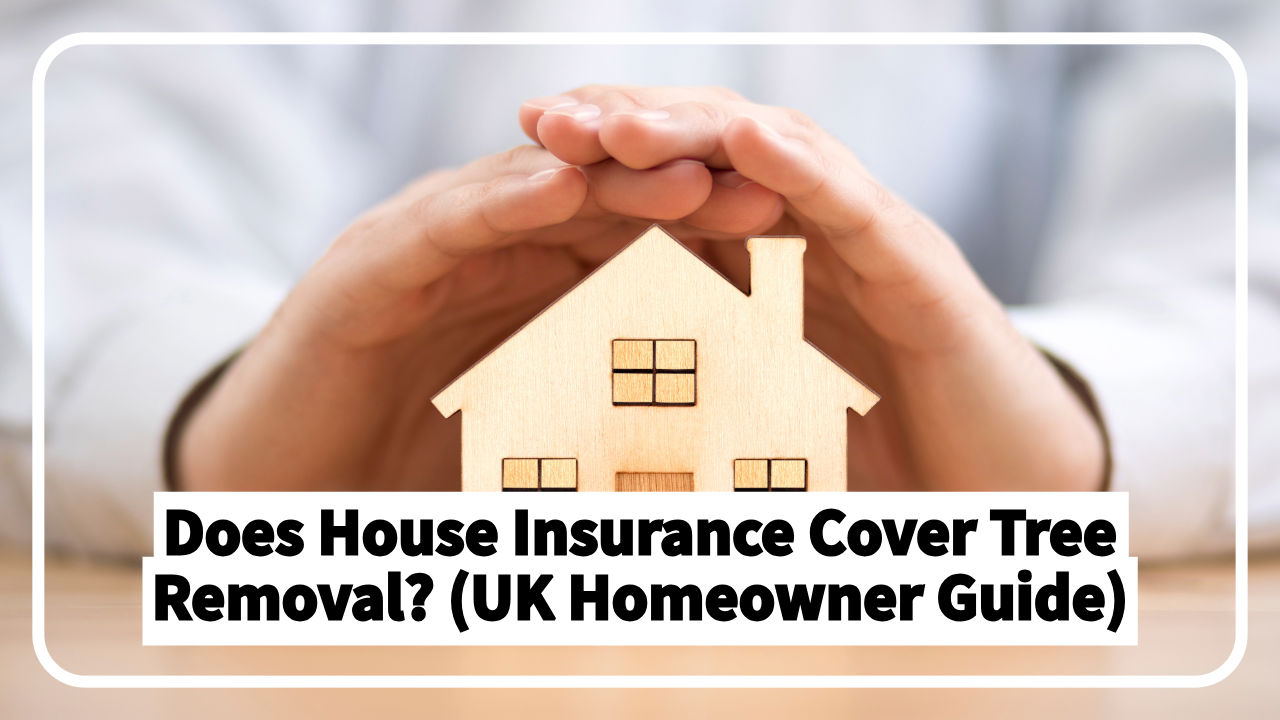
Does House Insurance Cover Tree Removal? (UK Homeowner Guide)
Many homeowners only think about tree removal after something has gone wrong.
Usually it’s after:
A storm
A fallen branch
Damage to a roof or fence
A tree becoming dangerous unexpectedly
At that point, one of the first questions people ask is:
Does house insurance cover tree removal?
The answer is:
Sometimes — but not always.
In the UK, house insurance may cover tree removal in certain situations, especially when there is damage to insured property. However, routine tree work and preventative maintenance are usually the homeowner’s responsibility.
Here’s what you need to know.
When House Insurance Usually Covers Tree Removal
Insurance policies are designed to cover unexpected damage, not routine garden maintenance.
Tree removal may be covered if a tree:
Falls during a storm
Damages your home
Blocks access to your property
Creates an immediate safety risk after an insured event
The key factor is usually whether the tree caused damage to something your policy covers.
Storm Damage and Fallen Trees
This is the most common situation where insurance becomes relevant.
If strong winds or storms cause a tree to:
Fall onto your house
Damage fences, garages, or sheds
Crush a conservatory or roof
Block your driveway after causing damage
your insurer may cover:
Emergency tree removal
Damage repairs
Making the area safe
However, every policy is different, so limits and conditions vary.
What Insurance Usually Does NOT Cover
Many homeowners are surprised to learn that insurance generally does not cover:
Routine tree pruning
Crown reduction
Preventative maintenance
Removing healthy trees
Trees blocking light
General garden upkeep
For example, if a tree is:
Too large
Overhanging your garden
Reducing sunlight
Causing concern but no damage yet
the cost of managing it is usually yours.
Insurance is not intended to act as a maintenance plan for trees.
What If the Tree Falls But Doesn’t Damage Anything?
This is where confusion often happens.
If a tree falls in your garden but:
Doesn’t hit the house
Doesn’t damage insured structures
Doesn’t block essential access
many insurers will not pay for removal.
In their view, the tree itself is considered part of the landscaping rather than insured property.
Can Insurance Refuse a Claim?
Yes.
Insurance companies may reject claims if they believe:
The tree was already dangerous
Obvious warning signs were ignored
The tree was poorly maintained
The damage could reasonably have been prevented
For example:
Dead branches left unmanaged
Severe decay ignored for years
Leaning trees not inspected
This is why regular inspection matters.
What About a Neighbour’s Tree?
If your neighbour’s tree falls onto your property, you would normally:
Contact your own insurer first
Make a claim through your policy
Your insurer may later investigate whether negligence was involved.
If the neighbour ignored obvious risks, liability may become an issue.
But if the event was purely caused by severe weather, insurers may treat it as an unavoidable natural event.
Why Professional Arborist Reports Matter
If there’s ever a dispute over liability or maintenance, professional documentation becomes extremely valuable.
A qualified arborist can:
Assess tree health
Identify disease or decay
Document risk levels
Recommend maintenance or removal
This helps demonstrate that reasonable care was taken.
Professional reports can also support:
Insurance claims
Council applications
Neighbour disputes
Risk management decisions
Signs You Should Act Before Insurance Becomes an Issue
It’s usually far cheaper to manage a tree early than deal with emergency damage later.
Warning signs include:
Dead or brittle branches
Large cracks in the trunk
Sudden leaning
Fungal growth near the base
Branches hanging over structures
Storm damage
These issues should be assessed before they become emergencies.
How Arbsolve Helps Homeowners
If you’re unsure whether a tree is becoming a risk, Arbsolve helps homeowners connect with verified arborists locally.
You can:
Browse local arborists directly
Post your tree concern or job requirement
Receive interest from arborists in your area
Importantly:
Your contact details are not shared immediately
You choose which arborist you want to connect with
This gives homeowners more control while helping them find qualified professionals for inspections, maintenance, or emergency tree work.
Final Thought: Insurance Helps After Damage — Not Before
One of the biggest misunderstandings around tree work is assuming insurance will cover preventative maintenance.
In reality:
Insurance mainly helps after insured damage occurs
Tree care and risk reduction remain the homeowner’s responsibility
The smartest approach is proactive management.
Regular inspections and proper tree care can help:
Prevent costly emergencies
Reduce safety risks
Avoid insurance disputes
Protect your property long-term
Because with trees near your home:
It’s always cheaper to prevent damage than repair it.
Need Tree Work Done?
Get matched with vetted local arborists — free, no obligation.