Common Japanese Maple Problems and How to Fix Them
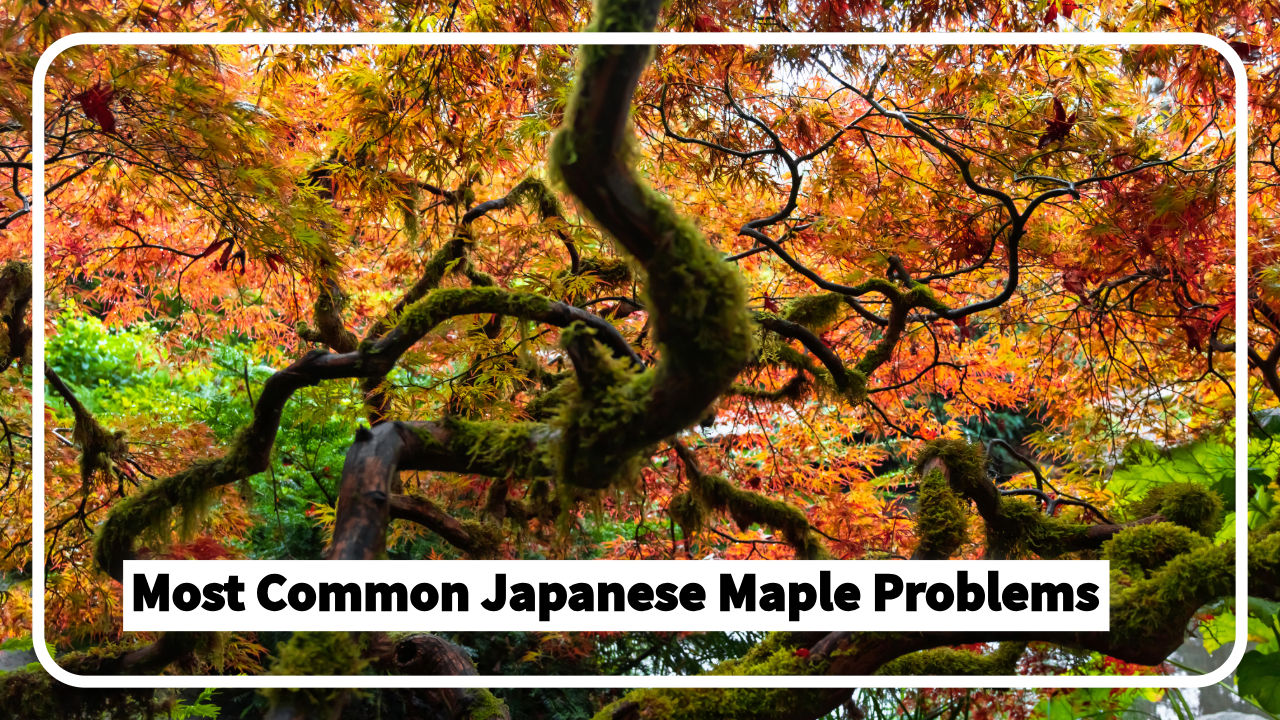
Japanese Maple trees are among the most beautiful ornamental trees found in UK gardens. Their delicate leaves, vibrant autumn colours, and elegant shape make them a favourite for homeowners looking to add character to their outdoor space.
However, despite their beauty, Japanese Maples can be sensitive to environmental conditions and may develop problems if they’re not growing in the right location.
The good news is that most issues can be identified early and managed before they seriously affect the tree.
Here’s a guide to the most common Japanese Maple problems and what you can do about them.
1. Leaf Scorch (Brown or Crispy Leaves)
One of the most common complaints from Japanese Maple owners is leaves turning brown around the edges.
This condition is often called leaf scorch.
Common Causes
Too much direct afternoon sun
Hot, dry weather
Strong winds
Insufficient water
Root stress
Japanese Maples prefer sheltered locations with protection from intense afternoon sunlight.
How to Fix It
Water deeply during dry periods
Apply mulch around the base to retain moisture
Protect young trees from strong winds
Avoid planting in exposed locations
If leaf scorch occurs occasionally during particularly hot weather, it is usually not a serious threat to the tree.
2. Leaves Turning Yellow
Yellow leaves can be caused by several different issues.
Common Causes
Overwatering
Poor drainage
Nutrient deficiencies
Root problems
Stress from environmental changes
How to Fix It
Check the soil first.
If the soil feels constantly wet, drainage may be the issue.
Improving drainage and avoiding excessive watering often helps.
If the tree has been in the same location for years and suddenly develops yellow leaves, it may be worth consulting an arborist to investigate further.
3. Dead Branches Appearing in the Canopy
Occasional dead branches are not uncommon, especially as trees mature.
However, multiple dead branches can indicate a bigger issue.
Possible Causes
Drought stress
Disease
Winter damage
Poor pruning
Root problems
How to Fix It
Remove dead branches using proper pruning techniques.
If large sections of the tree are affected, a professional inspection is recommended to determine whether disease or structural decline is involved.
4. Fungal Diseases
Japanese Maples can occasionally be affected by fungal problems.
Warning signs include:
Dark spots on leaves
Premature leaf drop
Dieback in branches
Discoloured bark
Many fungal issues become more common when airflow through the canopy is poor.
How to Fix It
Remove affected branches where appropriate
Avoid overhead watering
Improve airflow around the tree
Clear fallen leaves from around the base
Early intervention is usually the most effective approach.
5. Verticillium Wilt
Verticillium Wilt is one of the more serious diseases that can affect Japanese Maples.
It is caused by a soil-borne fungus that attacks the tree’s water transport system.
Symptoms
Sudden wilting
Branch dieback
Leaves turning brown unexpectedly
Sections of the tree declining while others remain healthy
How to Fix It
Unfortunately, there is no guaranteed cure once a tree is heavily infected.
However:
Dead branches can be removed
Stress should be minimised
The tree’s overall health should be supported
A professional arborist can help assess whether management or removal is the best option.
6. Poor Growth or Sparse Foliage
A Japanese Maple that isn’t thriving may simply be in the wrong location.
Common Causes
Too much shade
Poor soil quality
Competition from nearby plants
Root restrictions
How to Fix It
Assess the growing conditions.
Japanese Maples generally prefer:
Well-draining soil
Shelter from strong winds
Partial shade
Consistent moisture
Improving conditions often leads to healthier growth.
7. Damage from Improper Pruning
Japanese Maples have a naturally attractive shape and generally require only light pruning.
Problems often arise when trees are:
Over-pruned
Topped
Cut back aggressively
This can lead to:
Poor structure
Weak regrowth
Loss of natural appearance
How to Fix It
Future pruning should focus on:
Removing deadwood
Improving airflow
Maintaining natural shape
Heavy corrective pruning is rarely necessary.
8. Root Problems
Many Japanese Maple issues actually begin below ground.
Potential causes include:
Soil compaction
Waterlogging
Root damage during construction
Poor drainage
Warning Signs
Declining growth
Leaf discolouration
Dieback
General lack of vigour
When multiple symptoms appear together, root health should be considered.
9. Winter Damage
Young Japanese Maples can be vulnerable to harsh winter conditions.
Cold winds and frost may cause:
Damaged buds
Split bark
Dieback on exposed branches
How to Fix It
Avoid pruning immediately after frost damage
Allow the tree to recover in spring
Remove dead growth once new growth appears
Many trees recover naturally once warmer weather returns.
When Should You Call an Arborist?
It may be worth seeking professional advice if:
Large sections of the tree are dying
Multiple symptoms appear at once
The tree is declining year after year
You suspect disease
Structural issues are developing
Early diagnosis is often the difference between simple maintenance and complete tree loss.
How Arbsolve Can Help
If you’re concerned about the health of your Japanese Maple, Arbsolve can help you connect with verified arborists in your area.
You can:
Browse Local Arborists
Search for qualified tree professionals and contact them directly.
Post Your Tree Health Concern
Upload photos and describe the symptoms you’re seeing.
Local arborists can review the information and provide guidance on:
Possible causes
Whether an inspection is needed
Recommended treatment options
This helps homeowners get professional advice before problems become more serious.
Final Thought
Most Japanese Maple problems are caused by environmental stress, watering issues, poor growing conditions, or disease.
The earlier a problem is identified, the easier it is usually to manage.
Regular inspections, sensible pruning, and good growing conditions go a long way towards keeping these beautiful trees healthy.
And if you’re unsure what you’re looking at, a qualified arborist can often identify issues long before they become irreversible.
Need Tree Work Done?
Get matched with vetted local arborists — free, no obligation.