Common Diseases Affecting Horse Chestnut Trees
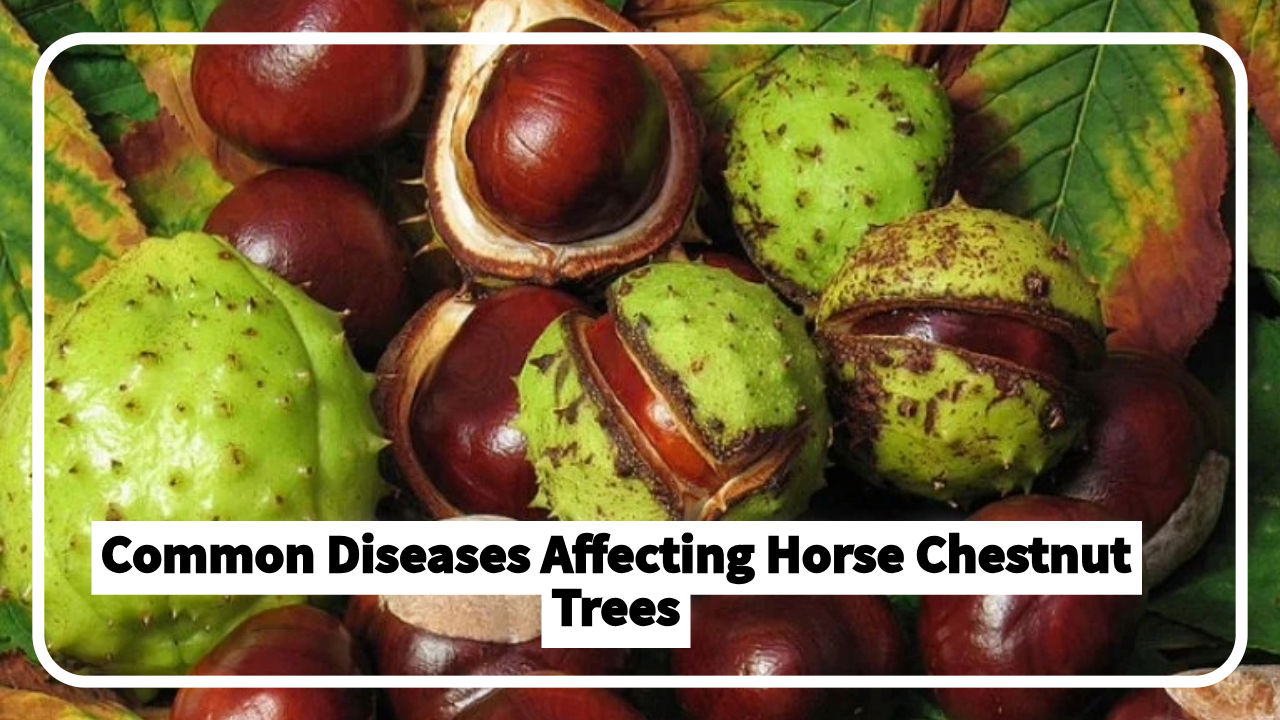
Horse Chestnut trees are a familiar sight across the UK. Their large canopies, white or pink flowers, and conkers make them popular in parks, gardens, and large properties.
But like other mature trees, Horse Chestnuts can suffer from diseases and pests that affect their leaves, branches, bark, and overall health.
Some problems mainly affect the tree’s appearance, while others can cause serious decline and increase the risk of falling branches.
Knowing the warning signs can help you decide when a tree needs professional attention.
1. Bleeding Canker
Bleeding Canker is one of the more serious problems affecting Horse Chestnut trees.
It can cause damage to the bark and underlying tissues, potentially weakening the tree over time.
What to look for
Common signs include:
Dark or reddish-brown liquid coming from the trunk or branches
Cracked or damaged bark
Areas of dead bark
Branches dying back
Gradual decline in the tree’s overall health
The dark liquid can look like the tree is bleeding, which is where the name comes from.
Not every case means the tree needs to be removed. However, significant or worsening symptoms should be assessed by an arborist.
2. Horse Chestnut Leaf Miner
Horse Chestnut Leaf Miner is a small moth whose larvae feed inside the leaves.
It is particularly noticeable because it can make the leaves look damaged much earlier than normal.
Signs to look for
You may see:
Brown patches spreading through leaves
Pale or winding trails within leaves
Leaves turning brown during summer
Early leaf drop
Leaf Miner can make a Horse Chestnut look seriously unhealthy, but it usually doesn’t pose the same structural risk as diseases affecting the trunk or major branches.
Repeated severe infestations can, however, put additional stress on the tree.
3. Leaf Blotch
Horse Chestnut Leaf Blotch is a fungal disease that affects the leaves.
It can cause:
Brown or reddish patches
Yellowing around damaged areas
Leaves drying out
Premature leaf drop
The symptoms can sometimes look similar to Leaf Miner damage, so identifying the exact cause isn’t always straightforward.
What should you do?
Keep the tree well maintained and remove fallen leaves where practical.
If the problem occurs repeatedly or becomes severe, an arborist can help identify the cause and recommend appropriate management.
4. Powdery Mildew
Powdery mildew is a fungal problem that can affect the leaves and young shoots.
It often appears as a white, powdery coating on the surface of leaves.
You may also notice:
Distorted new growth
Leaves curling
Reduced vigour
It tends to become more noticeable when conditions favour fungal growth.
Improving the tree’s growing conditions and maintaining good airflow can help reduce problems.
5. Honey Fungus
Honey fungus can affect the roots and lower parts of trees.
It is particularly concerning because the damage can occur underground before obvious symptoms appear above ground.
Possible signs include:
Gradual decline
Yellowing leaves
Dieback
Poor growth
Fungal growth around the base
White fungal material beneath the bark
In some cases, honey fungus can seriously weaken or kill a tree.
If you suspect a Horse Chestnut may have a root disease, professional assessment is recommended.
6. Root and Collar Decay
The lower trunk and roots are critical to the stability of a mature Horse Chestnut.
Decay in this area can weaken the tree even when the canopy still looks relatively healthy.
Look for:
Soft or damaged wood near the base
Cavities
Fungal growth
Cracks
Changes in the soil around the tree
Problems at the base of a large tree deserve particular attention because of the potential consequences if the tree becomes unstable.
How Can You Tell If Your Horse Chestnut Is Seriously Unwell?
One symptom alone doesn’t necessarily mean your tree is dying.
For example, brown leaves could be caused by:
Leaf Miner
Leaf Blotch
Drought
Heat stress
Other environmental factors
More concerning signs include several problems occurring together, such as:
Extensive dead branches
Trunk damage
Fungal growth
Progressive dieback
Sudden leaning
Large cracks or splits
These situations warrant professional assessment.
Can a Diseased Horse Chestnut Tree Be Saved?
Sometimes.
The answer depends on:
The disease involved
How advanced it is
The tree’s overall health
Whether its structure has been affected
An arborist may recommend:
Removing dead or dangerous branches
Selective pruning
Improving growing conditions
Monitoring the tree
Further investigation
If the tree has become structurally unsafe or has severe irreversible decline, removal may eventually be necessary.
The important thing is not to assume that disease automatically means the tree must come down.
When Should You Call an Arborist?
Professional advice is particularly important if you notice:
Liquid leaking from the trunk
Large areas of deadwood
Significant branch dieback
Fungal growth around the base
Cracks or cavities in the trunk
Sudden changes after storms
A noticeable increase in leaning
Large Horse Chestnut trees can be difficult and dangerous to inspect or work on yourself.
An arborist can assess the tree from the ground and, where necessary, carry out a more detailed inspection.
How Arbsolve Can Help
If you’re concerned about a Horse Chestnut tree, Arbsolve gives you two ways to find a verified arborist.
Browse the Arborist Directory
Search the Arbsolve directory for arborists in your area.
You can review available professionals and contact an arborist directly about your tree.
Post Your Tree Health Concern
If you’re unsure what is wrong with your tree, you can post your job on Arbsolve.
Include:
Photos of the tree
Close-ups of affected leaves or bark
A description of the symptoms
Your postcode
Any concerns about safety
Arbsolve shares your job with arborists in your area who may be interested in providing a quote or inspection.
Your contact details and exact address are not shared at this stage. You can choose which arborist you want to connect with, and your contact details are then shared with that arborist.
Final Thought
Horse Chestnut diseases range from problems that mainly affect appearance to conditions that can seriously affect the tree’s health and stability.
The important thing is to identify problems early rather than waiting for the tree to deteriorate.
If you notice unusual leaf damage, bleeding bark, dead branches, fungal growth, or other changes, don’t immediately assume the tree needs removing.
A qualified arborist can help identify what’s actually happening and determine whether the tree can be managed, treated, or safely retained.
Early professional advice can make the difference between managing a problem and dealing with an emergency.
Need Tree Work Done?
Get matched with vetted local arborists — free, no obligation.